Every business owner knows the feeling.
You work long hours, juggle multiple responsibilities, make countless decisions, and still sometimes sit back and ask yourself a simple question:
“Am I moving in the right direction?”
Entrepreneurship is often portrayed as a journey of strategies, marketing plans, and growth metrics. But beneath all of that lies something far more powerful — a mindset.
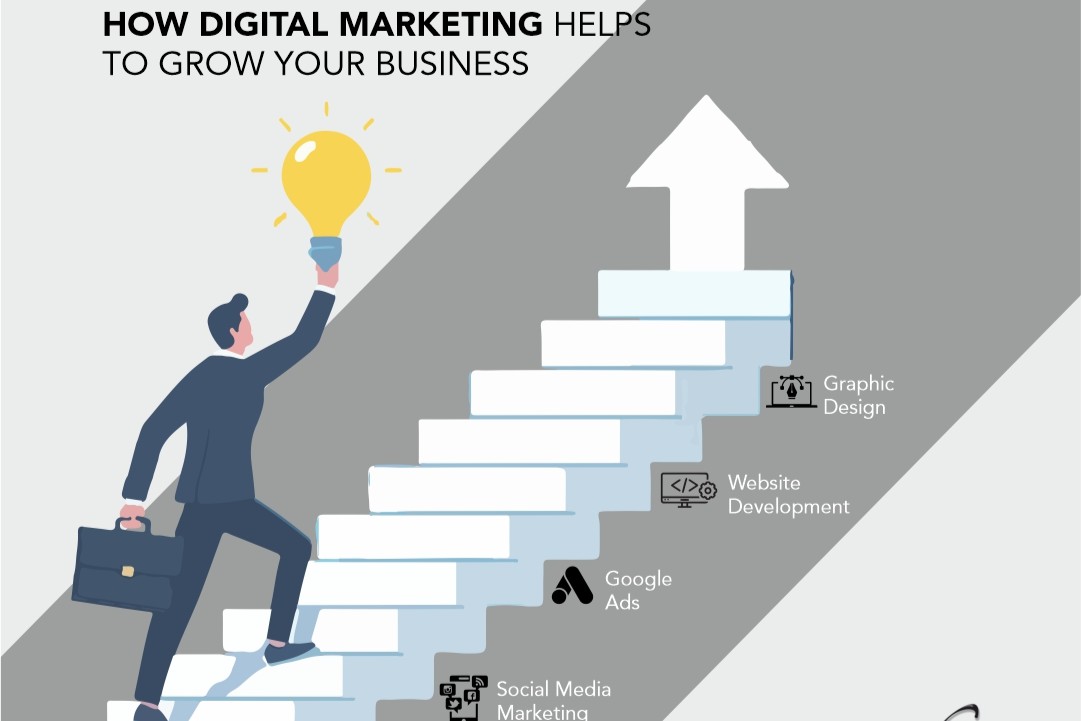
As we’ve discussed in our guide on how digital marketing helps businesses grow, success depends on both mindset and strategy.
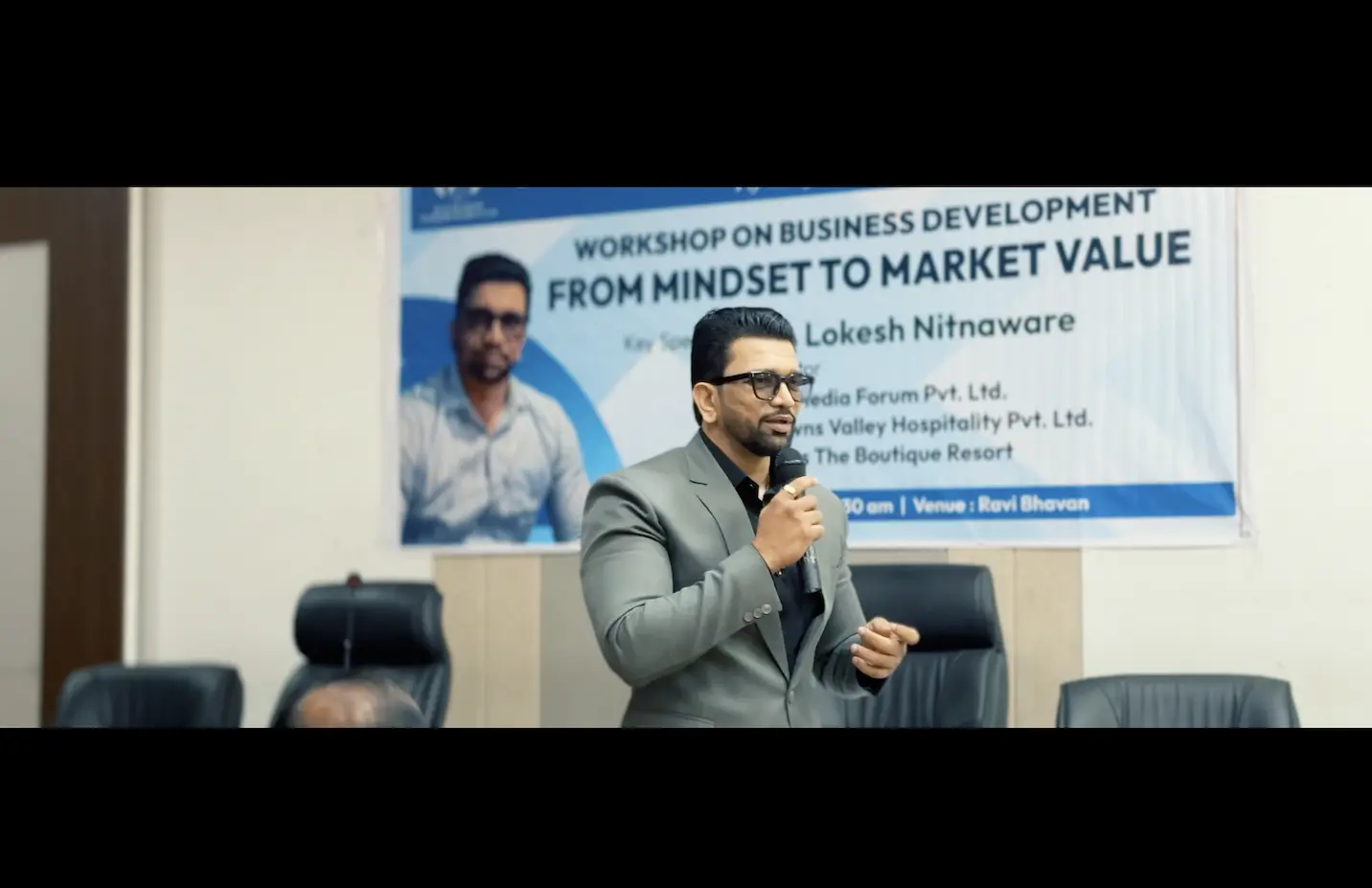
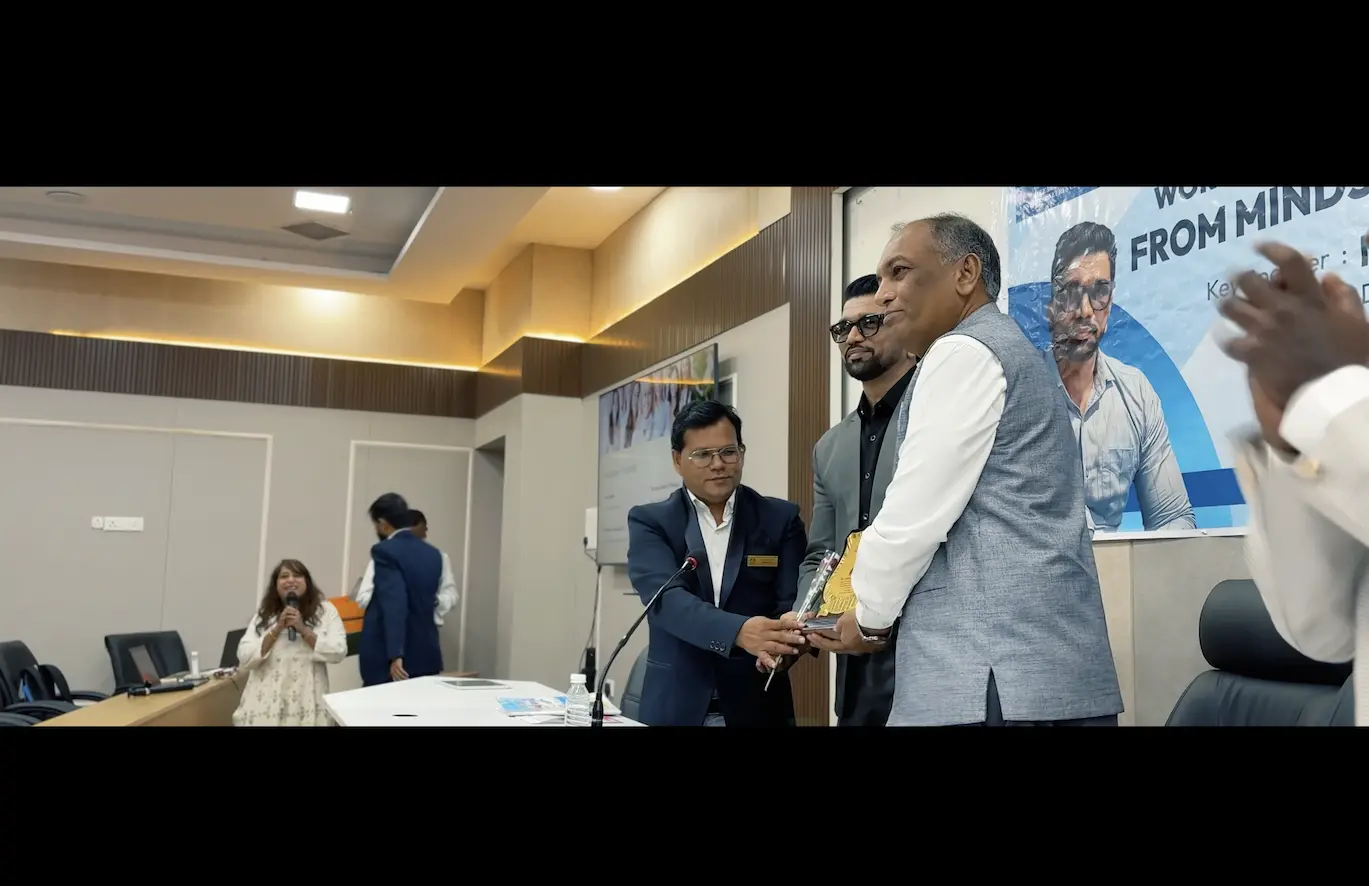
At a recent workshop led by Lokesh Nitnaware, Co-Founder &
Director of Mediaforum Digital and the driving force behind
ventures such as Tanas Resort and Browns & Basera Hotel,
explored a powerful idea:
Success in business begins long before the market; it
begins in the mind.
The session wasn’t a typical lecture about marketing tactics or business models. Instead, it unfolded as a deeply reflective and motivating conversation about beliefs, discipline, leadership, and the internal shifts that shape external success.
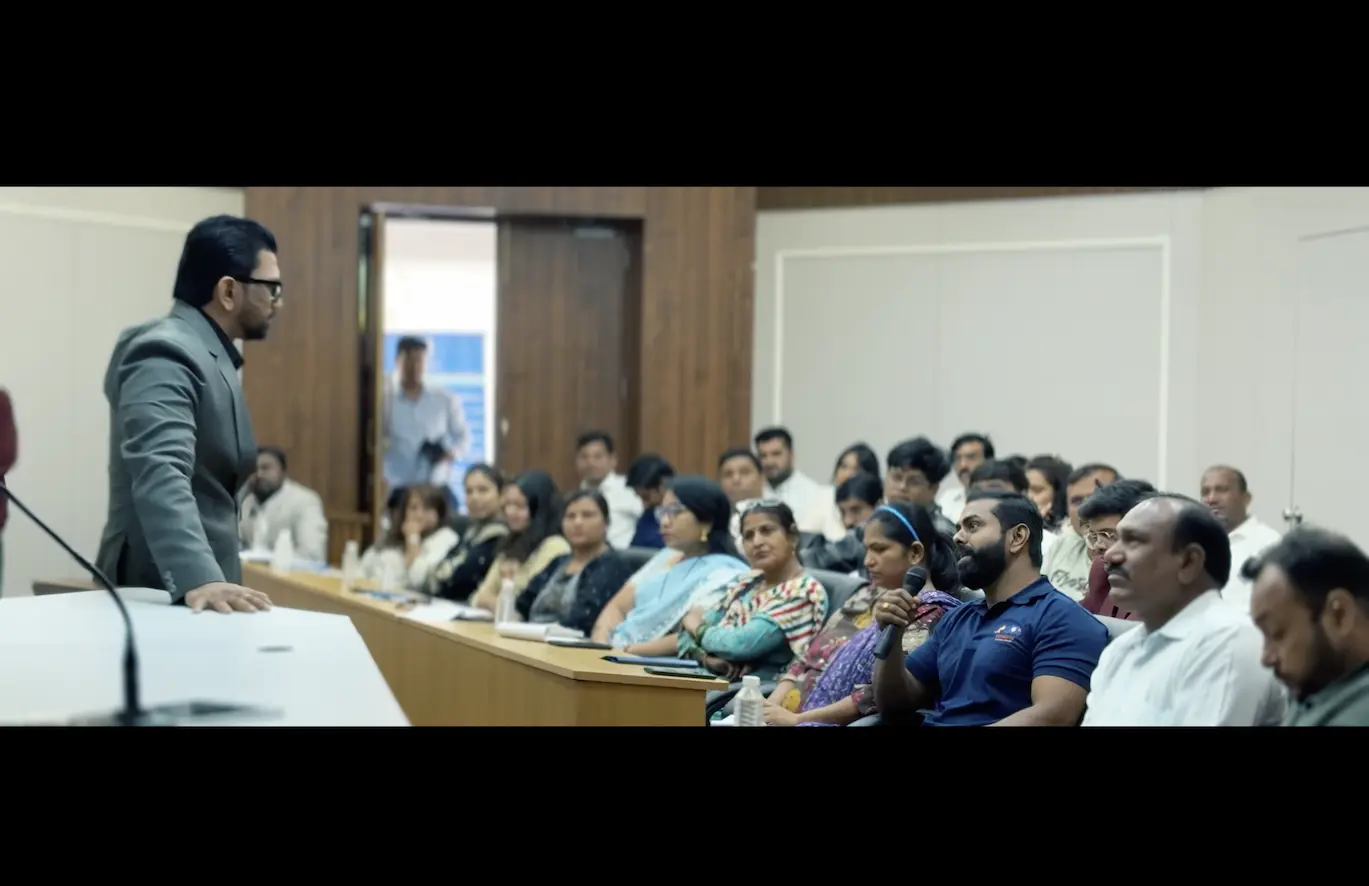
For many attendees in the room, including business owners, professionals, and aspiring entrepreneurs, the workshop became an opportunity to pause, reflect, and rethink the foundations of their growth journey. It encouraged them to step back from their daily hustle and look at their businesses from a fresh perspective.
So let’s explore some of the key ideas, insights, and experiences shared during the session that left a lasting impact on everyone present.
Where Does Every Business Journey Truly Begin?
The workshop began with a simple yet powerful thought — the idea that intention shapes outcomes.
Mr. Nitnaware spoke about how many people dream of success, but few truly commit their thoughts and emotions to a goal with complete clarity. He shared a personal example from his own journey. A few years ago, he had set a goal for himself: within two years, he would own a premium car.
It was not merely a passing wish. It became something he thought about consistently, something that shaped the way he approached his work and his ambitions.
Eventually, the goal became reality.
The message resonated strongly with the audience in the room. Many entrepreneurs could relate to that moment when a goal first begins as a general idea and slowly transforms into a concrete objective.
As he put it:
“अगर आप किसी चीज़ को शिद्दत से चाहते हैं, तो पूरी कायनात उसे
पाने में मदद करने लगती है।”
(When you truly desire something, the entire universe begins
to support your efforts).
The idea naturally led into the next part of the discussion — once intention is clear, the question becomes: how do you turn that intention into tangible results in business?
The Often-Overlooked Power of Human Connection in Business
In an age dominated by digital tools, automation platforms, and performance dashboards, the conversation shifted toward something surprisingly simple — human connection.
As we’ve discussed in our guide on how digital marketing helps businesses grow, success depends on both mindset and strategy.
Mr. Nitnaware explained that while marketing tools are important, many businesses forget the most fundamental principle of sales: people trust people.
Even today, despite running multiple ventures, he often prioritizes direct interaction with clients. Personal visits, conversations, and genuine engagement help build a level of trust that no advertisement can replicate.
For entrepreneurs in the audience, this was a reminder that growth is not only about visibility but also about relationships.
| Strategy | Impact |
|---|---|
| Personal interaction | Builds trust |
| Consistent communication | Strengthens relationships |
| Understanding client needs | Improves sales conversions |
The insight was simple yet powerful: strong relationships often become the foundation for sustainable business growth.
And once those relationships begin forming, marketing becomes the force that amplifies them.
This is exactly where the conversation in the workshop took an important turn.
Why Does Marketing Remain the Engine of Business Growth?
From relationships, the discussion naturally transitioned into the role of marketing in business success.
Many businesses struggle not because their products or services are weak, but because they remain invisible. Mr. Nitnaware emphasized that marketing should never be treated as an optional activity because it is the engine that keeps a business moving forward.
If you're unsure where to start, explore our top digital marketing strategies for small businesses.
He highlighted two key forms of marketing that every entrepreneur must understand.
| Marketing Type | Meaning |
|---|---|
| Free Marketing | Organic content, networking, word-of-mouth |
| Paid Marketing | Advertisements, campaigns, promotions |
You can also learn more about evolving strategies in our future of digital marketing guide.
While both forms play an important role, the most crucial factor is consistency. Marketing is not a one-time effort or a campaign that runs occasionally. It is an ongoing process that ensures the business remains visible and relevant in the market.
As the session progressed, the conversation moved beyond strategies and into something deeper — the internal qualities that allow entrepreneurs to sustain these efforts over time.
Learning from the Smallest Teachers Around Us
One of the most memorable moments in the workshop came when Mr. Nitnaware spoke about an unlikely teacher: ants.
Before the rainy season begins, ants can often be seen moving in disciplined lines, carrying food and preparing for the future. It is a behavior that most people notice casually, yet rarely think about deeply.
But for entrepreneurs, the lesson hidden in that simple observation is profound.
| Behaviour of Ants | Business Lesson |
|---|---|
| Work together | Collaboration matters |
| Prepare before crisis | Plan ahead |
| Stay disciplined | Consistency wins |
Consistency is one of the most overlooked factors, as we explained in digital marketing trends for 2025.
The analogy helped the audience understand that. preparation and teamwork often determine survival and growth in business
And yet, even with preparation and discipline, success also depends on how entrepreneurs see themselves.
This realisation led to one of the most reflective exercises of the session.
Looking Inward: The Exercise That Changed Perspectives
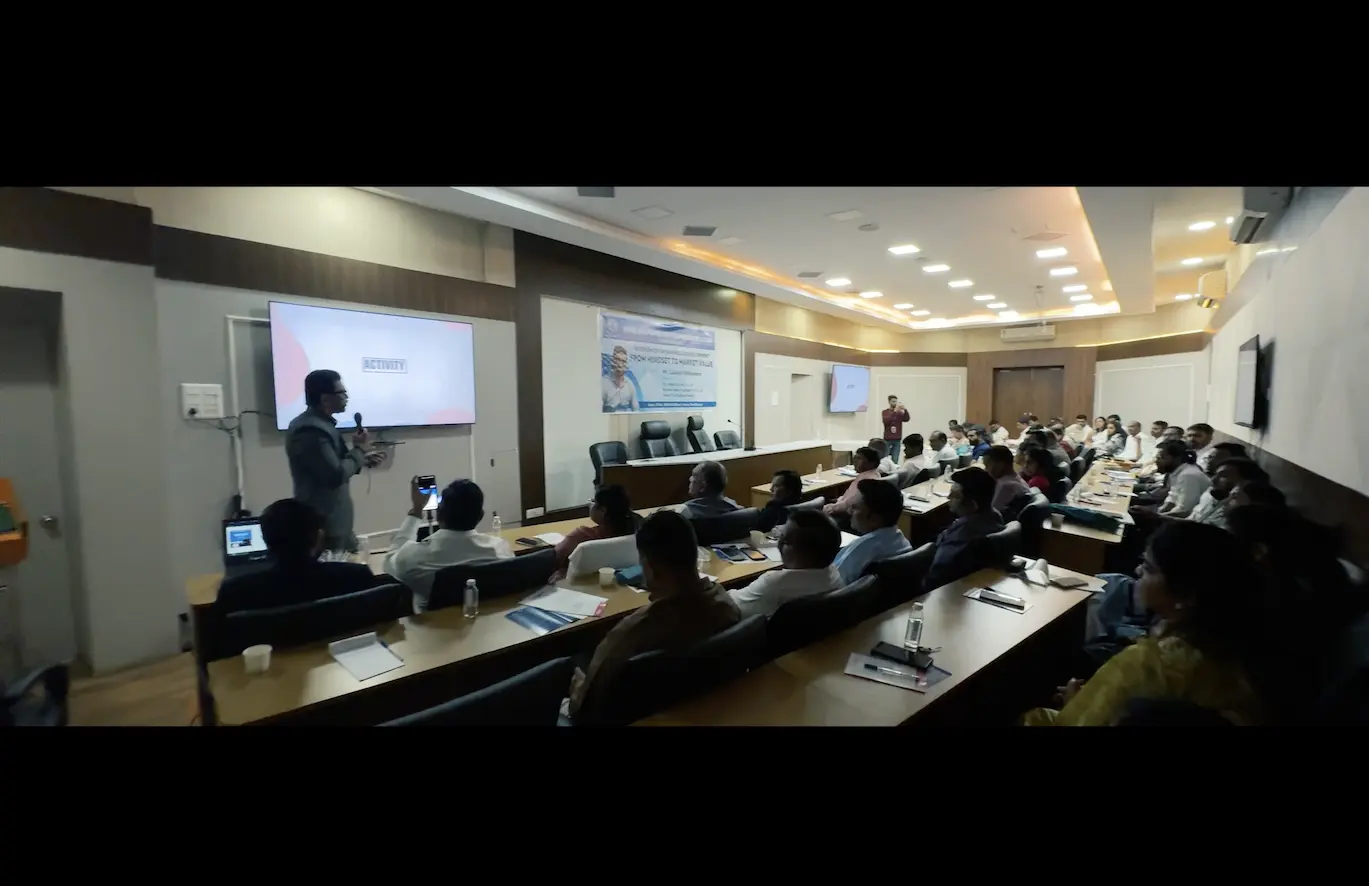
At this point, the audience was asked to pause and evaluate themselves.
Participants were invited to rate themselves on a scale from one to ten across six different aspects of their personality and professional life.
| Area | What it Represents |
|---|---|
| Physical | Health and energy |
| Intellectual | Knowledge and thinking ability |
| Professional | Skill and career growth |
| Social | Communication and networking |
| Moral | Values and integrity |
As participants began sharing their responses, an interesting pattern emerged.
Nobody rated themselves perfectly across all areas.
Instead of discouragement, the exercise created a sense of awareness within the room. Entrepreneurs realised that growth does not require perfection — it requires honest self-assessment.
Many entrepreneurs struggle with this, often due to misconceptions covered in our digital marketing myths article.
Mr. Nitnaware explained that self-image directly influences performance. For example, someone who rates themselves low in emotional confidence may struggle in negotiations or sales conversations.
Understanding these gaps is the first step toward improving them.
And once individuals understand their internal limitations, the next step becomes learning how to reshape those beliefs.
Understanding the Power of Manifestation
With this self-awareness in place, the discussion moved into a concept that is often misunderstood but deeply powerful: manifestation.
Rather than presenting it as a mystical idea, Mr. Nitnaware explained manifestation as a structured mental process — one that aligns thoughts, beliefs, and actions toward a clear goal.
| Step | Meaning |
|---|---|
| F – Feel | Experience the success emotionally |
| T – Think | Maintain clarity about the goal |
| B – Believe | Develop strong belief that it is achievable |
| A – Act | Take consistent action |
Action-driven strategies are also essential in starting digital marketing for your business.
He summarized it using a simple framework.
For many participants, this explanation helped them understand that manifestation is not about wishful thinking. It is about aligning the mind and actions toward a specific vision.
To reinforce the idea further, Mr. Nitnaware shared a story that beautifully illustrated the power of belief.
The Story That Explained Why Belief Matters
The Story That Explained Why Belief Matters
One frog quickly believed that escape was impossible. It stopped trying and eventually drowned.
The second frog kept moving its legs, refusing to give up. Over time, its continuous movement churned the curd into butter, allowing the frog to stand on it and jump out.
The lesson was clear: belief shapes effort, and effort shapes outcomes.
Entrepreneurs often face moments when challenges feel overwhelming — financial pressure, competition, uncertainty. In such moments, the difference between success and failure is often not resources, but belief.
Belief fuels effort, and effort eventually produces results.
This idea also connects directly to one of the most important traits every entrepreneur must cultivate.
The Role of Strong Partnerships & Leadership in Building Big Businesses
A powerful leadership lesson shared during the session came from the example of A. P. J. Abdul Kalam.
During India’s early space missions, whenever a rocket experiment failed, Dr. Kalam personally addressed the media and accepted responsibility. But when the missions succeeded, he ensured that the recognition went to his team.
This philosophy strongly influenced Mr. Nitnaware’s own leadership approach. When things go wrong, leaders must step forward and take responsibility. When success arrives, the credit should belong to the team. Leadership practised this way builds trust, loyalty, and stronger organisations.
Alongside leadership, another important theme discussed was the power of strong partnerships.
Mr. Nitnaware, spoke warmly about his fellow director and business partner, Mr. Paritosh Barbate. Their relationship extends beyond business; it is built on deep trust, mutual respect, and aligned thinking.
He described him as more than a colleague — a mentor, a brother, and someone whose wavelength matched perfectly.
In business, such alignment can make a significant difference. A strong partnership brings shared decision-making, emotional support during challenging phases, complementary strengths in leadership, and mutual accountability that pushes both individuals to grow.
Many entrepreneurs in the room reflected on their own journeys during this discussion. Running a business can sometimes feel lonely, and having someone who shares the vision and stands beside you through every high and low can make the journey far stronger.
A Real Story of Vision Becoming Reality
Every successful business story usually looks impressive when you see it today. But the beginning is rarely smooth.
Lokesh shared that when they started Mediaforum in 2017, the circumstances were far from ideal. Resources were limited, uncertainty was high, and the future was unclear. Yet one thing they had from the beginning was clarity about what they wanted to achieve.
They did something very simple but powerful.
They set a specific financial target for the business.
Not an unrealistic dream. Not a vague wish. A realistic, measurable goal.
Their plan was straightforward:
| Year | Target Vision |
|---|---|
| 2017 | Start and build the foundation |
| 2018 | Reach a specific financial milestone |
| 2020 | Scale the business further |
But reality had its own timeline.
Instead of achieving the 2018 target on time, they reached it in 2019.
For many entrepreneurs, this might feel like failure. But Lokesh shared an important realisation.
The goal still came true. It just needed persistence.
This insight set the stage for a deeper concept that shaped their journey.
Manifestation backed by action.
What Business Owners Took Away from the Session
By the end of the workshop, the room was filled with a mix of reflection, inspiration, and renewed energy.
Many entrepreneurs realized that the struggles they face are not unique. Even founders of successful ventures have experienced uncertainty, delays, and doubt.
Some of the key takeaways participants noted included:
| Key Lesson | Meaning for Entrepreneurs |
|---|---|
| Vision matters | Businesses grow when leaders think long term |
| Consistency beats intensity | Showing up daily matters more than occasional bursts of effort |
| Partnerships are powerful | The right people accelerate growth |
| Patience is essential | Not every goal happens on the expected timeline |
| Action is non-negotiable | Dreams only work when backed by effort |
Choosing the right partners is crucial, similar to selecting the best digital marketing agency in Nagpur.
These insights were not theoretical ideas.
They came directly from lived experience.
Conclusion: A Reminder Every Entrepreneur Needs
At the heart of Lokesh Nitnaware’s journey is a message that many business owners need to hear.
Success is not always about having the perfect strategy from day one.
Often, it is about three simple but powerful things:
- Believing that something bigger is possible
- Continuing to act even when results take time
- Surrounding yourself with people who share the vision
For the entrepreneurs attending the workshop, the session served as a reminder that growth is not just about revenue or scale.
It is also about mindset.
When business owners begin thinking clearly about where they want to go, stay consistent with their actions, and remain patient with the journey, progress starts to unfold in surprising ways.
And sometimes, the goals that once felt distant quietly become reality.
Just like they did for Mr. Nitnaware and his ventures.
If you’re ready to apply these insights, explore our digital marketing services in Nagpur to grow your business strategically.
Want to Grow Your Business?
Get expert digital marketing strategies from Mediaforum Digital.
Get Free Consultation